The future of journalism lies in small tech equipment, digital content and social media platforms.
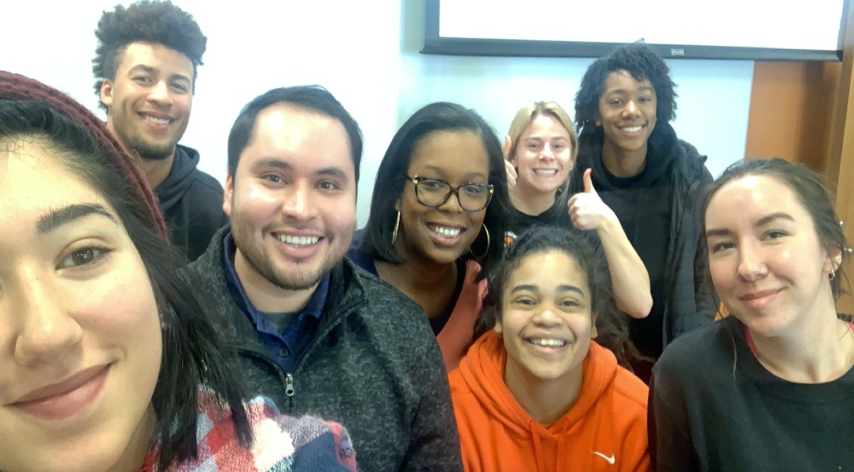
Digital Content Producer Ruben Solis spoke to Indiana Tech’s Multimedia Journalism class, on Feb. 27. He works for WANE 15 in Fort Wayne, Indiana. His job is to create digital media stories every day and has had experience with producing.
Everything in the media is turning digital, he said. He was once using huge cameras, boom mics, and a whole team of media developers to create a newsworthy story for that night’s television broadcast.
Now, there is a special small tech kit that people can buy in order to get quality videos on their phones. It includes a small boom mic, a light, a tripod, and a stabilizer. This is the future of multimedia journalism.
There is not the same need for a heavy-duty camera, a huge boom mic, and a camera crew. Not only is it easier for the content creators to come up with stories, but it’s much quicker and easier for views to receive the news.
“People are not waiting for the 5:00 news when we use digital reporting,” said Solis. “We are trying to get everyone on board with going digital.”
Digital media can be put online or on news apps for viewers to see before the broadcast is even out. This allows the public to be informed during the event, instead of only after. Though the video content may be of a lesser quality, it doesn’t seem to impact the amount of views the story receives.
News media is less about quality and more about getting the facts correct and showing action.
“I haven’t had any obstacles going digital that have stopped me from creating a story,” said Solis. “You may lose some quality, but people watch YouTube videos that are messy and it’s still effective.”
If a viewer sends in their video of a car crash, even though it could be a shaky video, the news could still use it in the show because it is the best or only video content they have of the scene.
Ruben discussed an aspect of his career he said he never saw coming: becoming a producer.
“My best piece of advice is to look outside of the reporter and anchor job if you want to be part of a news organization,” he said. “I never thought I would be a TV producer.”
It’s a great way to diversify yourself in the field of broadcasting journalism, he said. On some days, nothing goes as planned. Your news show may be lined up but a few hours before the show breaking news story could happen. Being able to work well under pressure is a must for being a producer, said Solis.
When asked about writing stories, Ruben said the lead sentence really becomes the headline. Creating an attention getting lead is key to drawing viewers in. The beginning needs to entice people to click, read, or watch your story. A poor lead may turn readers away from a great story.
You can catch Ruben Solis online at WANE 15’s website or follow him on Facebook and Twitter.
 Christina's Creations